
← Blog · Training · May 15, 2026
What Happened When I Fed 6 Years of Workout Logs Into AI
Where can AI help you reach your fitness goals?
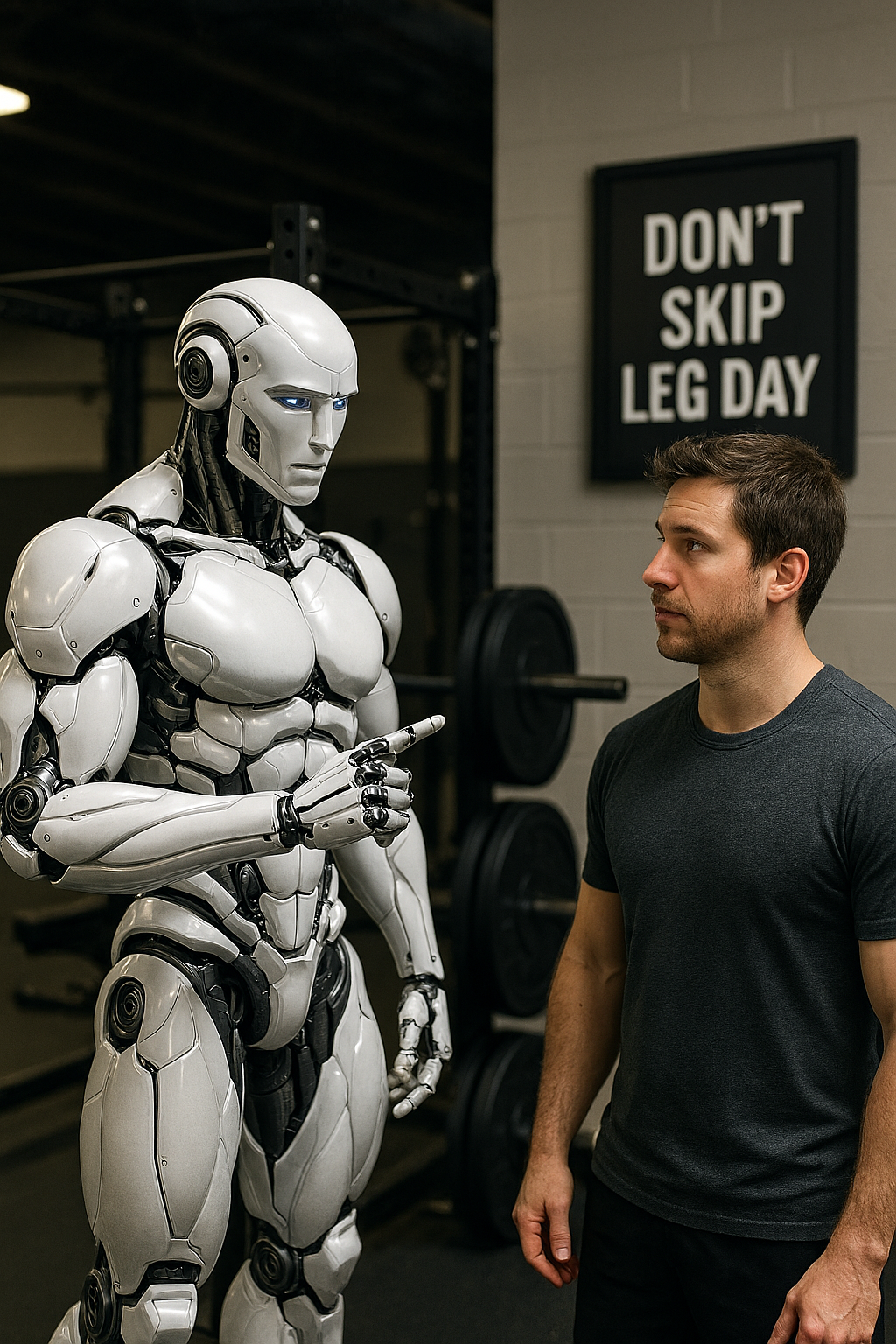
More and more people are using Artificial Intelligence to build workout programs, analyze nutrition, and answer fitness questions that used to require a coach. As a certified personal trainer, I do not believe AI will ever truly replace a great coach. But after experimenting with it myself, I do believe it has a legitimate place in the fitness world.
Last week, I took all of my workout logs from the past six years and uploaded them into an AI model. Instead of manually digging through years of notes, I could ask questions conversationally and get meaningful patterns back in seconds.
I asked it a simple question:
“How often do I skip leg day?”
The response was surprisingly detailed.
The AI recognized that I rarely skip leg training entirely, but I frequently modify sessions due to knee pain, travel, illness, or gym limitations. It also noticed patterns where I would make up missed sessions later in the week by combining workouts or adjusting my schedule.
Some of the trends it identified included:
Frequent leg day modifications because of knee pain
Consistent adherence to structured training programs
Making up missed workouts instead of abandoning them
Training interruptions tied mostly to surgery recovery, illness, and travel
What impressed me most was not that the AI gave me “perfect” advice. It was the ability to analyze years of data and identify patterns I probably would have missed on my own.
Having years of training data in one searchable place is incredibly valuable. Instead of relying purely on memory, I can now look at long-term consistency, identify plateaus, review recovery periods, and potentially track how different programming styles affected my progress over time.
Next, I may use it to generate reports on strength progress, volume trends, and long-term plateaus in my lifts. That kind of information could be extremely useful for both coaches and clients.
That said, I still do not believe AI can replace a good trainer or coach.
AI can analyze patterns, summarize data, and even generate decent training ideas. But it cannot watch movement quality, understand motivation, build trust, or make judgment calls the way a skilled coach can. It cannot replace experience, accountability, or the human side of coaching that helps people stay consistent when life gets chaotic.
I see AI becoming a useful tool for both trainers and clients, especially for organizing data and identifying trends. But like any tool, its value depends on the person using it.
In fitness, information matters. Coaching matters more.